

Micro-holiday campaigns can be incredibly effective, but they can also become forgettable very quickly when brands lean on the same emotional cues and the same broad message. Mother’s Day is a perfect example because it gives brands a natural opportunity to participate while also making it easy to blend in with everyone else saying some version of the same thing.
What makes Mother’s Day useful from a marketing perspective is that it shows how much audience understanding matters. A holiday alone does not make a campaign meaningful. The brands that stand out are the ones that understand why the moment matters to their audience and what kind of message will actually feel relevant instead of routine.
Why Brands Show Up for Mother’s Day
Brands participate in Mother’s Day because the holiday already carries emotional weight. People are thinking about care, gratitude, family, and support, which gives marketers a built-in moment to work with. Still, a built-in moment is only an opening. It does not guarantee a strong campaign.
The work gets stronger when brands ask a more useful question: what does this moment mean to our audience specifically? Once that answer becomes clear, the campaign has a better chance of feeling focused instead of generic.

P&G Built Around Support and Sacrifice
P&G’s “Thank You, Mom” campaign worked because it focused on a truth that felt both emotional and specific. Rather than centering products, it highlighted the unseen support mothers often provide, especially in helping children grow, recover, and keep going through difficult moments.
What made the campaign memorable was its discipline. It stayed focused on one powerful idea and trusted that idea to carry the message. Instead of offering a broad tribute, it showed something recognizable about the role mothers actually play.
Dove Chocolate Chose a More Useful Angle
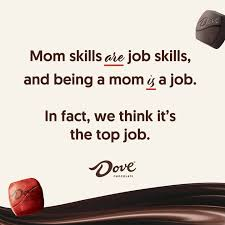
Dove Chocolate’s “Mom Experience Translator” stood out because it approached Mother’s Day from a more practical angle. Instead of treating the holiday only as a gifting occasion, the campaign focused on a real challenge many women face when returning to work after caregiving. By translating caregiving experience into job-ready skills, Dove connected the holiday to something its audience could genuinely recognize.
That choice gave the campaign more purpose. It still fit the occasion, but it offered something sharper than a general message of appreciation.

DoorDash Focused on What Moms Actually Want
DoorDash took a different approach with “DoorDad,” but the same principle still applied. The campaign worked because it was built on an honest insight: what many moms want on Mother’s Day is less pressure and more of a break. Instead of idealizing the holiday, DoorDash reframed it around relief, which made the message feel more grounded and relatable.
That honesty is what gave the campaign its edge. It still felt playful and timely, but it also felt observant in a way that made it easier to remember.
What These Campaigns Got Right
What these campaigns share is not tone or style, but specificity. P&G focused on support and sacrifice, Dove focused on value and identity, and DoorDash focused on relief. Each brand found a different truth inside the same holiday and used it to shape a stronger message.
That is the bigger lesson in micro-holiday marketing. The holiday may create the opportunity, but audience understanding is what gives the campaign substance.
What Brands Can Learn
Micro-holiday campaigns work best when they begin with a clear understanding of why the moment matters to the audience and how the brand can participate in a way that feels natural. That does not mean every brand needs to take an emotional route, and it does not mean every holiday deserves a campaign. It means brands need a stronger reason to show up than simply because the date is on the calendar.
Once that reason is clear, the work becomes more focused, the creative has more purpose, and the campaign has a better chance of connecting.
Making the Moment Mean Something
Clarity like that usually comes from knowing the audience well. It takes understanding the moment, finding the right angle, and building creative around something real.
That is where your Tribe comes in. Tribu helps brands shape seasonal campaigns that feel timely, thoughtful, and worth paying attention to because the strongest holiday marketing does more than acknowledge the moment. It gives people a reason to care.
Let's build a tribe together
Ideas, Ideas, Ideas

What Is Conversion Tracking and Why Does It Matter for Your Business?
Clicks and impressions don't tell the whole story. Learn how conversion tracking and marketing attribution help businesses measure real results, understand ad performance, and make smarter marketing decisions.

Why Every Brand Should Be Paying Attention to Reddit Right Now
Discover why Reddit is becoming an important platform for brand research, social listening, and AI search visibility.
How to Build a Landing Page That Captures Attention and Drives Action
A strong landing page needs more than a clear offer. See how hierarchy, imagery, presentation, and copy can hold attention and guide the next step.
Featured Work
We don’t just deliver - we make a difference.
Here’s a look at some of our most impactful branding, web, and campaign work. These aren’t just projects - they’re proof of what’s possible when bold ideas meet the right tribe.



.gif)
